🦁Independent Wildlife Resource

Discover the World of Wildlife & Conservation

Your comprehensive guide to zoos, wildlife sanctuaries, animal conservation, and planning unforgettable wildlife encounters. Independent and unbiased.

Explore Wildlife Knowledge

In-depth articles about wildlife, zoo science, and animal conservation written by independent researchers.

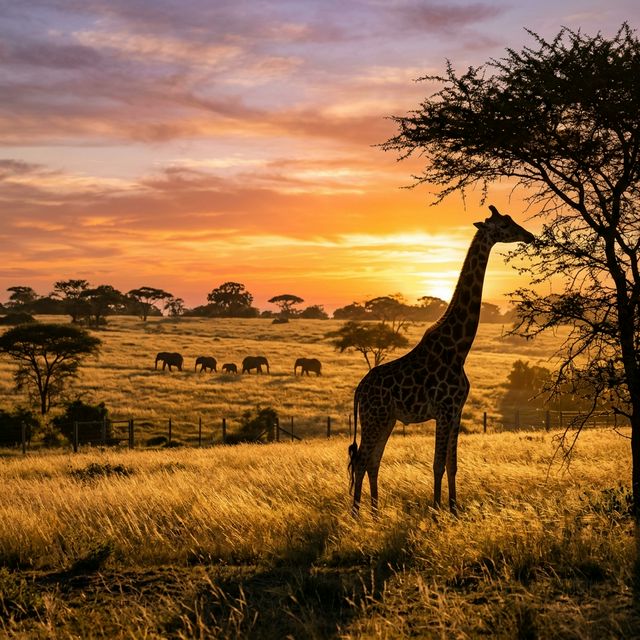
African savanna
Conservation

How Modern Zoos Drive Global Wildlife Conservation Efforts

Today's accredited zoos invest billions annually in field conservation programs, supporting over 500 species recovery projects across six continents.

The role of zoos in conservation has evolved dramatically over the past century. Modern accredited zoos are among the largest funders of in-situ conservation, contributing over $350 million annually to field programs worldwide. These institutions support more than 2,700 conservation projects in over 130 countries.

Species Survival Plans (SSPs) coordinated by the Association of Zoos and Aquariums (AZA) manage breeding programs for hundreds of threatened species. These genetically managed populations serve as insurance against extinction and, in several cases, have provided animals for successful reintroduction programs.

The Arabian oryx, California condor, black-footed ferret, and golden lion tamarin are among the species that owe their continued existence to zoo-based breeding and release programs. Modern zoos also contribute to conservation through habitat restoration, anti-poaching support, community development programs, and scientific research.
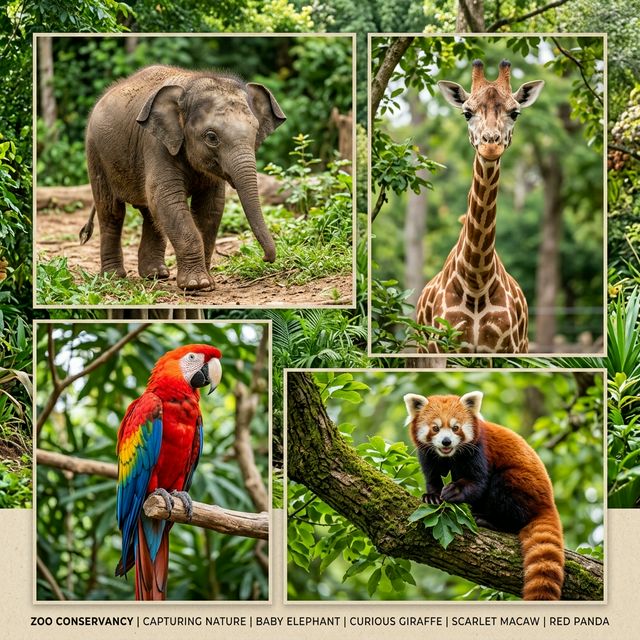
Zoo animals
Animal Science

Understanding Animal Behavior: What You Can Learn by Watching Zoo Animals

Observing animals in well-designed zoo habitats reveals fascinating insights into natural behavior, social structures, and communication methods.

Modern zoo exhibits are designed to encourage natural behaviors β€” foraging, climbing, swimming, socializing, and exploring. By observing these behaviors, visitors gain insights that photographs and documentaries cannot fully capture. Watching an elephant use its trunk to solve a puzzle feeder, or observing gorilla family dynamics, provides a deeper understanding of animal intelligence and emotion.

Enrichment programs β€” where keepers provide novel objects, foods, and challenges β€” stimulate animals both mentally and physically. Visitors often witness enrichment activities during keeper talks and feeding sessions, which offer the best opportunities to see natural behaviors like tool use, cooperative hunting, and social grooming.

Behavioral research conducted in zoos has contributed significantly to our understanding of animal cognition, communication, and social organization. Studies on great ape language, elephant memory, and bird tool use have all benefited from observations in zoo settings, complementing field research with controlled experimental data.

Elephants
Species Spotlight

Asian Elephants: Intelligence, Social Bonds, and Conservation Challenges

Asian elephants are among the most intelligent animals on Earth, capable of empathy, self-awareness, and complex problem-solving. Their survival depends on urgent conservation action.

Asian elephants (Elephas maximus) are endangered, with fewer than 50,000 remaining in the wild across 13 Asian countries. These remarkable animals demonstrate cognitive abilities that rival great apes, including mirror self-recognition, cooperative problem-solving, and emotional responses to death and separation.

In the wild, elephant herds are led by matriarchs β€” older females whose decades of experience guide the group to water sources, food, and safe migration routes. This accumulated knowledge is passed through generations, making each matriarch irreplaceable to her herd's survival.

Conservation programs focus on protecting elephant corridors β€” the migration routes that connect fragmented habitats. Human-elephant conflict is the greatest threat in many regions, as expanding agriculture encroaches on traditional elephant ranges. Community-based conservation programs that benefit local people while protecting elephants have shown the most promising results.

Giraffes
Travel Guide

Hermann Park: Houston's Green Oasis and Its World-Class Attractions

Hermann Park is a 445-acre urban park in Houston's Museum District, home to major cultural institutions, beautiful gardens, and miles of trails.

Established in 1914, Hermann Park is one of Houston's most visited green spaces, attracting over 6 million visitors annually. The park encompasses multiple attractions including the Miller Outdoor Theatre, McGovern Centennial Gardens, and the Hermann Park Railroad β€” a miniature train that has delighted families since 1958.

The park's Japanese Garden, designed by renowned landscape architect Ken Nakajima, features a tranquil five-acre setting with waterfalls, bridges, and traditional plantings. The McGovern Centennial Gardens showcase themed garden rooms including a Family Garden, Celebration Garden, and Woodland Garden.

For visitors planning a full day, the Museum District surrounding Hermann Park offers additional world-class attractions including the Museum of Natural Science, Museum of Fine Arts, and the Children's Museum of Houston. The METRORail Red Line provides convenient public transit access to the area.

Gorillas
Species Spotlight

Western Lowland Gorillas: Our Closest Relatives in the Animal Kingdom

Sharing 98.3% of our DNA, western lowland gorillas display remarkably human-like behaviors including tool use, laughter, and grief.

Western lowland gorillas (Gorilla gorilla gorilla) are the most numerous gorilla subspecies, yet they are classified as critically endangered with an estimated 100,000 individuals remaining in the wild. Found in the tropical forests of Central and West Africa, they face threats from habitat destruction, hunting, and emerging diseases like Ebola.

Gorilla troops are led by silverback males β€” mature males over 12 years old who develop characteristic silver-gray hair on their backs. Silverbacks can weigh up to 400 pounds and are responsible for protecting the family group, mediating conflicts, and determining the troop's daily movements.

Zoo-based gorilla programs have contributed enormously to our understanding of great ape cognition and social behavior. Research has documented gorillas using tools, expressing emotions through vocalizations and facial expressions, and establishing complex social hierarchies. These findings have strengthened arguments for great ape protection and habitat conservation.

Giraffe feeding
Wildlife Encounters

Giraffe Feeding Experiences: What to Know Before Your First Encounter

Giraffe feeding platforms have become one of the most popular zoo experiences worldwide, offering unforgettable face-to-face encounters with these gentle giants.

Giraffe feeding experiences allow visitors to stand at elevated platforms and hand-feed specially prepared browse to Masai, reticulated, or other giraffe subspecies. The experience is particularly memorable because of the giraffe's 18-20 inch prehensile tongue, which they use with remarkable dexterity to pluck leaves from visitors' hands.

Most giraffe feeding sessions are available on a first-come, first-served basis and may have additional fees beyond general admission. The experience is typically suitable for all ages, though young children may be startled by the giraffes' size and tongue. Photography is encouraged, and many visitors capture amazing close-up shots.

Beyond entertainment, giraffe encounters serve an important conservation education purpose. Giraffes have experienced a 40% population decline over the past three decades, earning them "vulnerable" status on the IUCN Red List. Face-to-face encounters inspire visitors to support giraffe conservation efforts in Africa.

Sea lions
Animal Welfare

Modern Zoo Design: How Habitats Prioritize Animal Welfare and Enrichment

Today's zoo exhibits are designed by teams of biologists, veterinarians, and architects to create environments that support natural behaviors and psychological well-being.

The evolution from small cages to immersive habitats represents one of the most significant transformations in zoo history. Modern exhibits are designed according to the Five Domains of Animal Welfare: nutrition, physical environment, health, behavioral interactions, and mental state. Each domain must be addressed for animals to thrive.

Habitat design teams consider species-specific needs including vertical space for climbing animals, water features for aquatic species, substrate depth for burrowing animals, and sight barriers for species that require privacy. Social species are housed in appropriate group sizes, while solitary species are provided with individual territories.

Environmental enrichment β€” objects, puzzles, scents, and activities that stimulate natural behaviors β€” is now standard practice in accredited zoos. Enrichment programs are evaluated regularly to ensure they remain effective, as animals can habituate to repetitive stimuli. The goal is to create dynamic environments that challenge animals mentally and physically, much as their wild habitats would.

Bird aviary
Biodiversity

Texas Wildlife: Native Species You Can Find in Urban Green Spaces

Houston's urban parks and green spaces host a surprising diversity of native wildlife, from red-tailed hawks to armadillos and dozens of songbird species.

Texas is one of the most biologically diverse states in the US, with over 5,500 native plant species and hundreds of vertebrate species. Houston's location along the Gulf Coastal Plain and the Central Flyway makes it particularly rich in bird diversity, with over 400 species recorded in the greater Houston area.

Hermann Park and nearby Brays Bayou are excellent locations for urban wildlife watching. Red-shouldered hawks, great blue herons, and green anoles are commonly spotted. The park's wooded areas shelter fox squirrels, opossums, and raccoons, while turtles and large-mouth bass inhabit the park's lakes and waterways.

During spring and fall migration, Houston's green spaces become stopover points for millions of neotropical migrant birds traveling between breeding grounds in North America and wintering areas in Central and South America. High Island, about 90 miles east of Houston, is one of North America's premier bird migration hotspots.

Conservation
Conservation

How Your Zoo Visit Supports Wildlife Conservation in the Wild

Every ticket purchased at an accredited zoo contributes directly to conservation programs protecting species and habitats around the world.

AZA-accredited zoos and aquariums collectively contribute more than $230 million annually to field conservation programs. This funding supports anti-poaching patrols, habitat restoration, community education, and scientific research in biodiversity hotspots worldwide.

Many zoos allocate specific program areas where visitor dollars make the greatest impact. These may include support for ranger training in African national parks, sea turtle nesting beach protection in Central America, or forest restoration in Southeast Asian orangutan habitat. Visitors can often choose to add conservation donations during the ticket purchase process.

Beyond financial contributions, zoo visits generate conservation awareness that ripples through communities. Studies show that zoo visitors are more likely to engage in pro-environmental behaviors, support conservation legislation, and donate to wildlife organizations than non-visitors. The emotional connection formed during animal encounters is a powerful motivator for conservation action.

Zoo photography
Photography

Zoo Photography Tips: Capturing Amazing Wildlife Photos During Your Visit

With the right techniques and timing, even smartphone photographers can capture stunning wildlife images at the zoo.

Professional-quality zoo photography doesn't require expensive equipment. Modern smartphones with portrait mode can produce remarkable wildlife images when used correctly. The key techniques include patience, proper positioning, and understanding animal behavior patterns.

For best results, visit during "golden hours" β€” the first and last hours of the day when warm, directional light creates dramatic photographs. Position yourself at the animal's eye level when possible, and use natural backgrounds when available. Avoid shooting through glass when possible; if you must, press your lens directly against the glass to minimize reflections.

Keeper talks and feeding times offer the best opportunities for action photography, as animals are most active and engaged. Use burst mode to capture sequences, and focus on the animal's eyes for compelling portraits. Respect all facility rules about flash photography and distance restrictions β€” these exist to protect both animals and visitors.

Making the Most of Your Zoo Visit

Expert advice for an unforgettable wildlife experience.

Timing

πŸ• Best Times to Visit

Animals are most active in the morning before temperatures rise. Arrive at opening for the best viewing. Weekday mornings offer the smallest crowds. In Houston's hot summers, plan to visit early morning or late afternoon when animals emerge from shade.

Planning

πŸ—ΊοΈ Planning Your Route

Check the daily schedule for keeper talks, feeding times, and live presentations before you start exploring. Map out your must-see exhibits first, then fill in with spontaneous discoveries. Most large zoos take 3-5 hours to explore fully.

Family

πŸ‘¨β€πŸ‘©β€πŸ‘§β€πŸ‘¦ Tips for Families

Bring sunscreen, comfortable walking shoes, and a refillable water bottle. Most zoos offer stroller rentals and have family restrooms. Pack snacks for younger children. Interactive exhibits and children's zoos are perfect for toddlers.

Frequently Asked Questions

How long does a typical zoo visit take?
Most visitors spend 3-5 hours at a large zoo. Plan additional time for animal shows, feeding experiences, and dining. Families with young children may prefer shorter, more focused visits.
What should I bring to the zoo?
Essentials include sunscreen, comfortable walking shoes, a refillable water bottle, a hat, and a camera. During summer months, bring cooling towels and plan for indoor exhibit breaks during peak heat.
Are zoos ethical?
AZA-accredited zoos meet rigorous standards for animal welfare, veterinary care, enrichment, and conservation. These institutions invest heavily in species preservation and habitat protection. The ethical debate is nuanced, but accreditation provides important accountability.
What's the best season to visit a zoo?
Spring and fall typically offer the best combination of comfortable weather and active animals. Many species are more visible during cooler months. Summer visits can be rewarding but plan around the hottest midday hours.
How can I support wildlife conservation beyond my zoo visit?
Support conservation organizations, choose sustainable products (palm oil-free, sustainable seafood), reduce your carbon footprint, participate in citizen science projects, and advocate for wildlife-friendly policies in your community.
Can I bring food into a zoo?
Most zoos allow visitors to bring outside food and beverages. Small coolers and picnic supplies are typically welcome. Never feed zoo animals β€” this can harm their health and disrupt specialized diets.

Get Your Free Zoo Visitor Guide

Expert tips, seasonal planning advice, and wildlife fun facts delivered to your inbox.

πŸ“§ Free Wildlife Guide

Join thousands of wildlife enthusiasts who receive our weekly explorer digest.